What is outsourced bookkeeping?
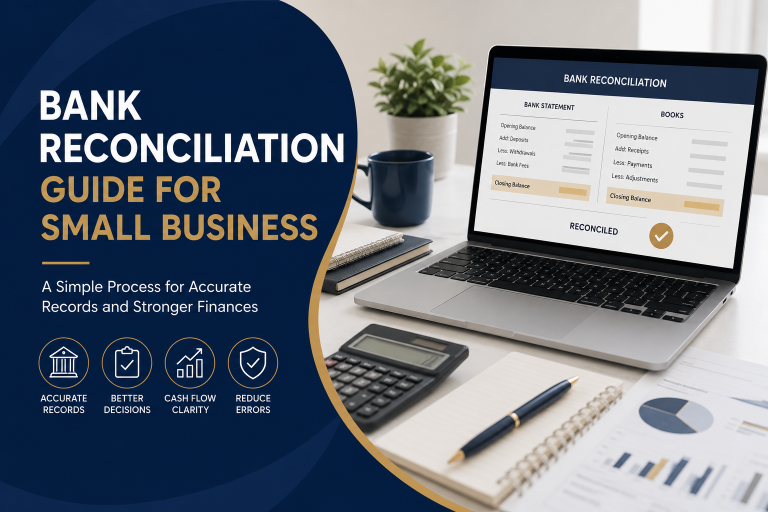
Outsourced bookkeeping involves engaging an external provider to perform some or all of a business’s bookkeeping functions. This can include bank reconciliation, transaction processing, accounts payable, accounts receivable, GST-related bookkeeping and financial record maintenance.
Is outsourcing bookkeeping suitable for small businesses?
It can be. Outsourcing may suit small businesses that need regular bookkeeping support but do not want to manage the entire function internally. The right model depends on transaction volume, complexity, internal resources and the level of support required.
Can Australian businesses outsource bookkeeping overseas?
Australian businesses can use overseas service providers, but they should consider privacy, security, access controls, supervision and applicable legal obligations. Businesses should understand where their information will be accessed and how the provider protects it.
What is the difference between outsourced bookkeeping and outsourced accounting?
Bookkeeping generally focuses on maintaining day-to-day financial records, while accounting may involve higher-level financial reporting, analysis and other professional accounting work. Some providers combine bookkeeping and accounting outsourcing within one service.
How do I compare outsourced bookkeeping companies?
Compare providers based on service scope, Australian experience, security, technology, quality control, communication, reporting, team structure and relevant expertise. Avoid comparing providers on price alone, as the services, level of review and support included may differ significantly.
What should I ask an outsourced bookkeeper before hiring them?
Ask what work they will perform, who will access your accounts, where the work will be completed, how data is protected, how accuracy is checked, how frequently records are updated and how questions or errors are managed.